

A Sky Draped in Amber
The morning sun used to bring clarity to the vast landscapes of Riau. Today, it brings a haunting, amber glow. Across the horizon, thick pillars of toxic smoke rise like dark monoliths into the atmosphere. What is happening beneath this dense veil is not merely a seasonal occurrence; it is a ecological emergency unfolding in slow motion.
Thousands of hectares of pristine tropical forest and rich carbon peatlands are being reduced to ash. The air, heavy with particulate matter and the pungent odor of scorched timber, leaves an unmistakable metallic taste on the tongue. In towns and rural villages alike, the sky has transformed into a murky twilight, forcing communities to live under a permanent shadow of haze.
The Sleeping Giant Underground
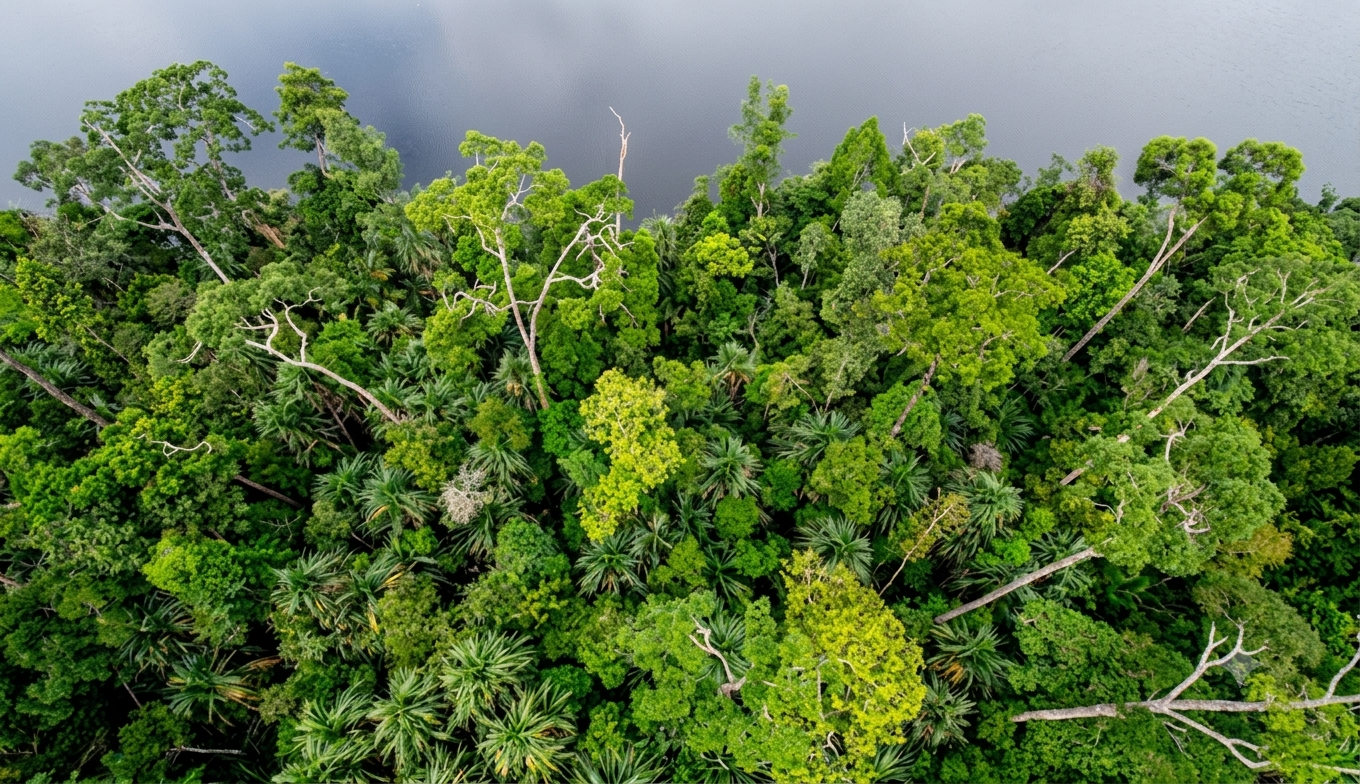
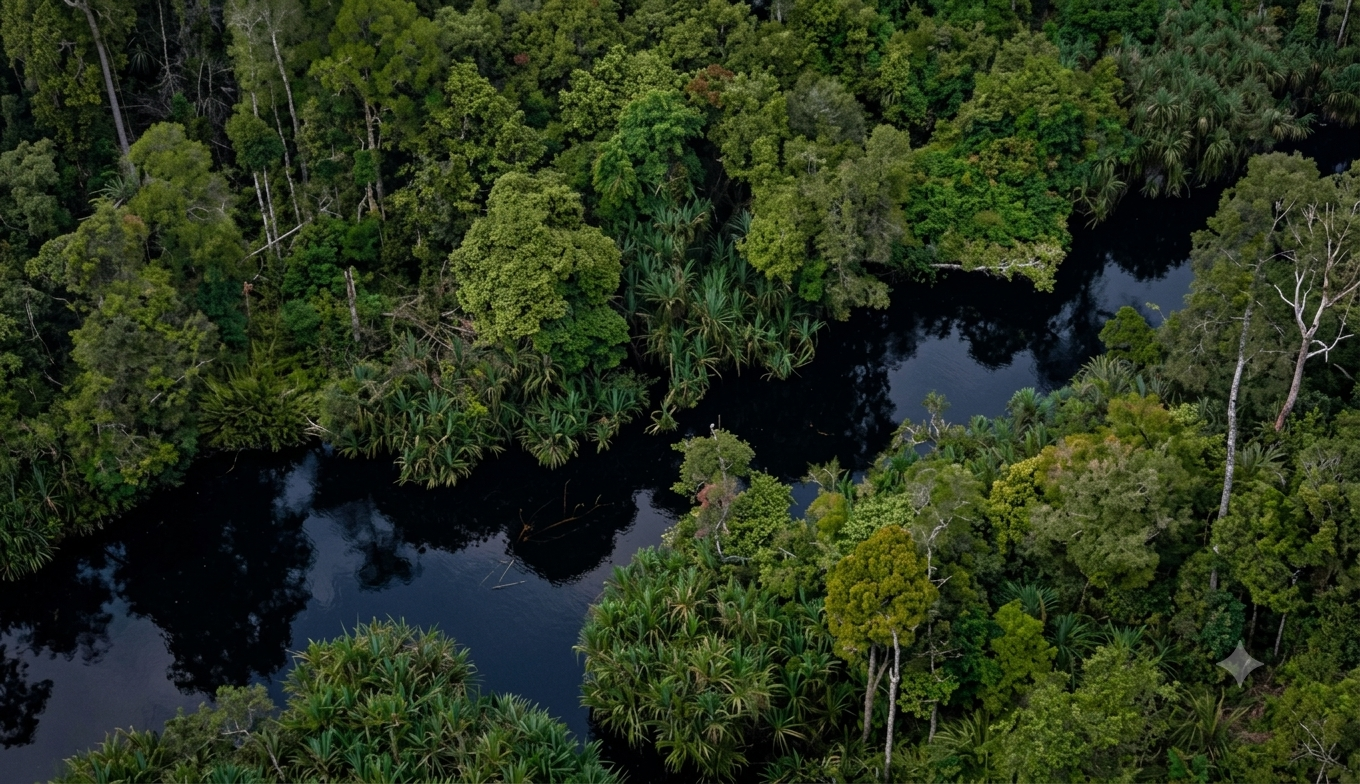
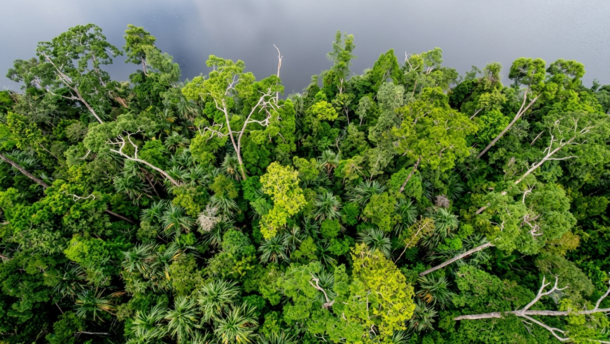
To understand why fires in Riau are so devastating, one must look beneath the surface. Beneath the lush green canopy lies an ancient ecosystem: peatland. Formed over thousands of years from decayed organic matter, these wet, spongy soils act as the planet’s natural carbon vaults.
However, when prolonged dry spells hit and drainage canals strip the land of its moisture, the peat transforms into a massive underground fuel bed. Unlike typical forest fires that race across tree crowns, peat fires smolder deep beneath the surface. They burn silently, invisible to the naked eye, creeping for miles before erupting into open flames. Extinguishing a peat fire requires millions of liters of water injected deep into the earth—a daunting battle fought against an unseen enemy.
The Human Cost of Breathing
Beyond the environmental metrics lies the true toll of the disaster: the human element. Hospitals and health clinics see an influx of children and the elderly struggling for basic breath. Schools are forced to shut their doors, replacing noisy playgrounds with silent, closed rooms where air purifiers hum continuously.
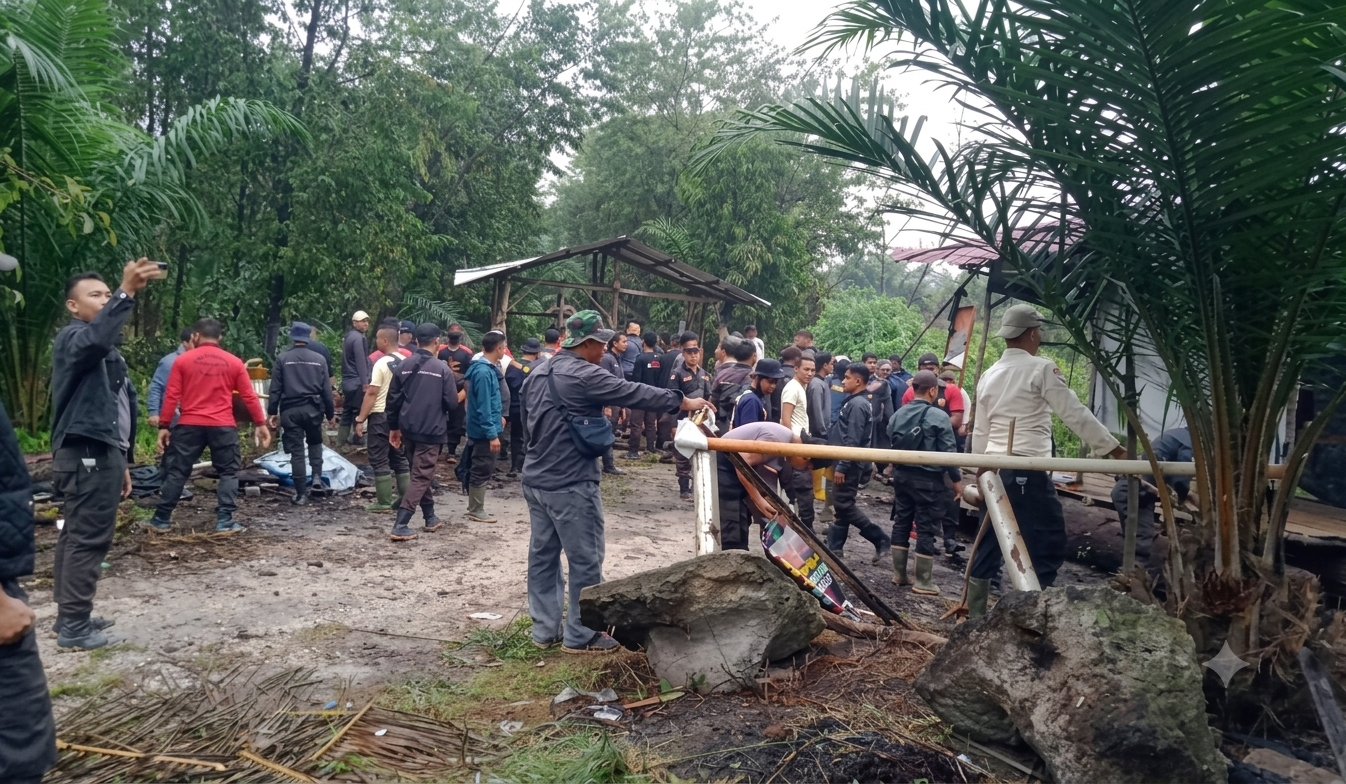
Local firefighters and volunteers—equipped with water pumps and heavy boots—walk directly into the inferno day after day. Their faces, smeared with soot and sweat, reflect both exhaustion and an unyielding resilience. They drag hoses through knee-deep mud, battling high temperatures and suffocating air, knowing that every meter of land saved protects another family from the toxic haze.
A Global Warning Signal
The fires burning in Riau are not an isolated regional crisis; they are a magnified symptom of a warming planet. As global climate patterns become increasingly erratic, prolonged droughts create the ideal conditions for fire to consume vulnerable landscapes. When these carbon-dense peatlands burn, they release massive amounts of stored greenhouse gases into the atmosphere, creating a feedback loop that accelerates climate change further.
The ongoing struggle in Riau serves as a stark reminder of humanity’s fragile relationship with nature. Protecting these forests is no longer just about preserving local biodiversity; it is a vital step in stabilizing our shared global climate.
The Path Toward Renewal
Amidst the smoke and uncertainty, a narrative of hope continues to emerge. Local communities are increasingly adopting sustainable land stewardship, moving away from destructive burning practices and embracing wet-peatland farming. Restoration initiatives aimed at re-wetting drained peatlands are gradually restoring the earth’s natural defenses.
The healing process will require global solidarity, strict environmental enforcement, and deep respect for the natural ecosystems that sustain us. Until the rains return to cleanse the skies, the people of Riau remain on the front lines—fighting for every breath, protecting their land, and reminding the world of what is at stake.
